
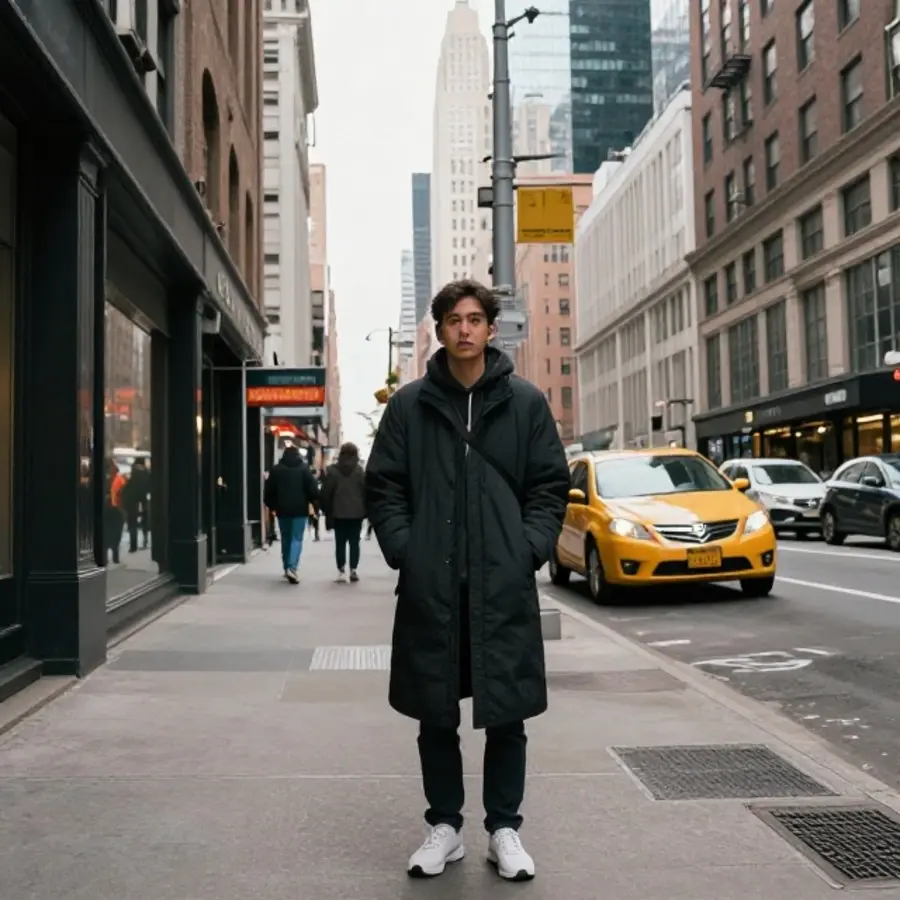
NYC captions are short, evocative phrases or sentences designed to accompany photos and videos of New York City life on social platforms.
They capture the energy of streets, skylines, and everyday moments while encouraging likes, comments, and shares.
Strong NYC captions blend personal voice with local flavor to improve engagement rate and post visibility among both locals and visitors.
Creating captions that feel authentic to the city requires more than listing landmarks.
The right words turn a simple photo into a shared experience that people want to interact with.
Below you will find twelve original sections, each packed with twelve practical points that help you write captions people actually remember and engage with.
Decoding Midnight Energy in Empire State Night Captions
- Open with the quiet after midnight when the city’s lights still burn but the crowds thin, giving the caption a reflective edge that stands out from daytime noise.
- Reference the feeling of standing alone on a rooftop while the city hums below, inviting readers to share their own late-night spots.
- Use short, rhythmic lines that mimic the pulse of distant traffic so the caption feels like it belongs to the hour.
- Mention the contrast between glowing windows and empty sidewalks to create instant visual pairing with any night photo.
- Invite followers to name the neighborhood where they feel most alive after dark, turning the caption into a conversation starter.
- Keep the tone intimate rather than touristic so locals feel seen and visitors feel invited into the real city.
- Pair the words with a soft emoji of a moon or city lights to signal the time without spelling it out.
- End with a gentle question about what the night reveals that daylight hides, encouraging replies.
- Avoid overused “city that never sleeps” lines and instead focus on the specific quiet that only appears after 1 a.m.
- Layer in sensory details like the cool air on the skin or the smell of late-night food trucks for deeper immersion.
- Make the caption flexible enough to work with both still photos and short reels of moving traffic.
- Test the length so it remains readable in the first two lines before the “more” cut-off.
Weaving Subway Rhythms Into Scroll-Stopping Caption Lines
- Capture the exact moment the train doors close and the car begins to move, turning that small action into a metaphor for daily momentum.
- Mention the mix of languages overheard in one car to highlight the city’s living soundtrack.
- Use the rocking motion of the train as a rhythm guide for short, punchy sentences that feel like the ride itself.
- Invite people to share the strangest conversation they overheard underground that week.
- Reference the yellow poles and the way strangers share space without speaking, creating quiet community.
- Keep the caption grounded in real experience rather than postcard versions of the subway.
- Add a single train emoji or map pin to reinforce the setting without clutter.
- Write versions that work for both morning rush and late-night empty cars.
- Focus on the feeling of disappearing into the tunnels and reappearing in a new neighborhood.
- Encourage followers to tag their favorite station without forcing a hashtag.
- Use the caption to celebrate the small acts of kindness that happen between stops.
- End with a line that leaves room for people to finish the story in the comments.
Turning Brooklyn Bridge Footsteps Into Shareable Story Captions
- Describe the wooden planks underfoot and the way the city opens up on both sides as you walk.
- Highlight the dual view of Manhattan and Brooklyn so the caption feels expansive.
- Invite readers to recall their first crossing and what they felt in that moment.
- Keep the language light enough for tourists yet specific enough for lifelong residents.
- Pair the words with the soft sound of footsteps mixed with distant traffic.
- Use the bridge’s cables as a visual metaphor for the connections people make in the city.
- Ask followers which side they prefer to start from and why.
- Avoid generic “iconic bridge” language and focus on the personal experience of crossing.
- Make the caption adaptable for sunrise, golden hour, or blue hour photos.
- Include a gentle call to share their own bridge memory without demanding it.
- Keep sentences short so the caption reads well on mobile while people are still walking.
- Close with a line that makes the bridge feel like a temporary home between two boroughs.
Capturing Times Square Glow Without Falling Into Tourist Traps
- Focus on the way the lights bounce off wet pavement after a sudden rain rather than the screens themselves.
- Write about the strange calm that can exist in the middle of the chaos if you pause long enough.
- Invite locals to share the quiet corners they know nearby that most visitors miss.
- Use the constant motion of people as a backdrop for a still moment of reflection.
- Keep the tone observational instead of excited so the caption feels grounded.
- Mention the smell of street food mixing with the electric air for sensory depth.
- Ask followers what they notice first when they step into the square at night.
- Make the caption work for both still photos and short video clips of moving crowds.
- Avoid listing brand names or famous ads and instead describe the feeling of light.
- End with a question that invites people to share their personal Times Square ritual.
- Use one soft sparkle emoji to echo the lights without overdoing it.
- Keep the language open enough that both first-time visitors and lifelong New Yorkers can relate.
Building Quiet Community Around Central Park Path Reflections
- Describe the soft light filtering through trees and how it changes the mood of the path.
- Invite people to share the bench or rock where they go to think.
- Use the changing seasons as a natural way to keep captions fresh throughout the year.
- Focus on the small interactions that happen on the paths rather than the famous landmarks.
- Write lines that work equally well for morning jogs and late-afternoon walks.
- Encourage followers to post their own quiet park moments in the replies.
- Keep the tone gentle and restorative rather than energetic.
- Mention the sound of leaves or distant laughter without forcing poetry.
- Make the caption flexible for both solo photos and group shots.
- Avoid overused “lungs of the city” phrases and stay with personal observation.
- End with a soft invitation to protect these quiet spaces by treating them kindly.
- Pair the words with a single leaf or tree emoji for visual calm.
Elevating High Line Views With Captions That Feel Lived-In
- Capture the contrast between the elevated path and the streets below.
- Write about the way the city looks different when viewed from above the traffic.
- Invite people to share the stretch of the High Line that feels most like their own.
- Use the changing plants and art installations as seasonal anchors for captions.
- Keep the language conversational so it feels like a friend sharing a favorite walk.
- Mention the mix of locals and visitors who share the same narrow path.
- Ask followers what they notice when they slow down on the High Line.
- Make the caption work for both wide skyline shots and close-up plant photos.
- Avoid sounding like a guidebook and stay with lived experience.
- End with a line that encourages people to walk without headphones once in a while.
- Use a soft plant or path emoji to reinforce the setting.
- Keep the sentences light enough to read while people are still on the path.
Mastering Rooftop Skyline Snaps Through Layered Caption Energy
- Describe the feeling of the wind at height and how it clears the mind.
- Write about the way the skyline shifts as the light changes hour by hour.
- Invite followers to share the rooftop that gave them their favorite view.
- Use the distance from street noise as a metaphor for gaining perspective.
- Keep the tone expansive yet personal so the caption feels both big and intimate.
- Mention the small details like water towers or distant bridges that make the view unique.
- Ask people what they leave behind when they step onto a rooftop.
- Make the caption adaptable for both sunset and city lights after dark.
- Avoid pure “wow the view” language and focus on the internal shift.
- End with a gentle prompt for people to name their go-to skyline moment.
- Pair the words with a soft skyline or sunset emoji.
- Keep the length short enough that the photo remains the star.
Infusing Street Style Energy Into Everyday NYC Caption Flow
- Capture the way people dress for the weather and the mood of the day.
- Write about the quiet confidence that comes from walking the streets in your own style.
- Invite followers to share the piece of clothing that makes them feel most like themselves in the city.
- Use the mix of high fashion and everyday practicality as a natural theme.
- Keep the language observational rather than judgmental.
- Mention the way layers change with the seasons and the energy of the boroughs.
- Ask people what they notice first about someone’s style on the street.
- Make the caption work for both posed shots and candid movement.
- Avoid turning the caption into a fashion critique and stay with celebration.
- End with a line that encourages people to wear what feels true.
- Use a single clothing or shoe emoji for subtle reinforcement.
- Keep the tone inclusive so every style feels welcome.
Capturing Seasonal Shifts Across the Five Boroughs in Caption Form
- Describe the first real cold day and how the city changes its posture.
- Write about the way spring arrives differently in each borough.
- Invite people to share their personal marker that the season has turned.
- Use the changing light and temperature as natural storytelling tools.
- Keep the captions rooted in specific places rather than general statements.
- Mention the foods, smells, and sounds that only appear in certain months.
- Ask followers which borough feels most like their season of choice.
- Make the language flexible enough to work year-round with small adjustments.
- Avoid calendar clichés and stay with lived sensory detail.
- End with an invitation to notice the small shifts that signal change.
- Pair the words with a single seasonal emoji that matches the moment.
- Keep the sentences short so they feel like field notes rather than essays.
Boosting Post Visibility With Captions That Speak to Locals and Visitors Alike
- Write lines that feel specific enough for someone who lives here yet open enough for someone who just arrived.
- Use shared experiences like waiting for the train or finding a quiet park bench as common ground.
- Invite both groups to share their version of the same moment.
- Keep the tone welcoming without explaining the city as if no one knows it.
- Mention small daily rituals that locals recognize and visitors can try.
- Ask questions that both groups can answer from their own angle.
- Make the caption work as a bridge rather than a division between audiences.
- Avoid insider language that leaves newcomers out.
- End with a soft invitation for people to add their own layer to the story.
- Use one inclusive emoji that feels universal rather than local.
- Test the caption by reading it as both a resident and a first-time visitor.
- Keep the focus on connection rather than education.
Weaving Natural Hashtag Flow Into NYC Caption Stories Without Force
- Place a few relevant hashtags at the end so they support rather than interrupt the story.
- Choose tags that match the specific mood or location of the photo instead of generic city tags.
- Write the caption first and only add tags that feel true to the words.
- Use a mix of broader reach tags and smaller community ones for balance.
- Keep the hashtag count modest so the caption remains readable.
- Invite people to add their own tags in the comments if they want.
- Avoid stuffing every possible tag and focus on relevance.
- Make the caption strong enough to stand alone even if someone skips the tags.
- Test how the caption reads with and without the tags to ensure flow.
- Use location-based tags only when the photo clearly shows that place.
- End the caption with a natural pause before the hashtags begin.
- Keep the overall tone conversational so the tags feel like an extension rather than an add-on.
Measuring Real Engagement Sparks From Captions Rooted in City Vibe
- Notice which captions earn comments that go beyond “nice photo” and into real conversation.
- Track how often people share their own similar moments in reply.
- Pay attention to the questions that generate the longest threads.
- Observe whether local followers and visitors respond differently and adjust tone.
- Look for captions that get saved as well as liked, since saves often signal lasting value.
- Note the times of day when city-vibe captions perform best for your audience.
- Use the replies as future caption inspiration instead of only measuring numbers.
- Celebrate the small interactions that show people felt seen.
- Avoid chasing only high like counts and focus on quality of response.
- Keep a simple list of the phrases that consistently spark genuine replies.
- Adjust future captions based on what people actually say rather than assumptions.
- Remember that the strongest engagement often comes from captions that feel like an invitation rather than a performance.
Conclusion
Strong NYC captions do more than describe a photo.
They open a door for people to step into the moment with you, whether they live three blocks away or three thousand miles.
The twelve approaches above give you fresh angles that avoid the same old lines while still feeling true to the city.
Try one new style this week. Write the caption as if you are speaking to a friend who knows the streets. Watch how the replies change.
Then share your favorite result in the comments so others can learn from what worked for you. The city keeps moving. Your captions can move with it.

Sophia Turner creates modern pick up lines that blend charm with humor. She writes for people who enjoy playful flirting and creative ways to break the ice.