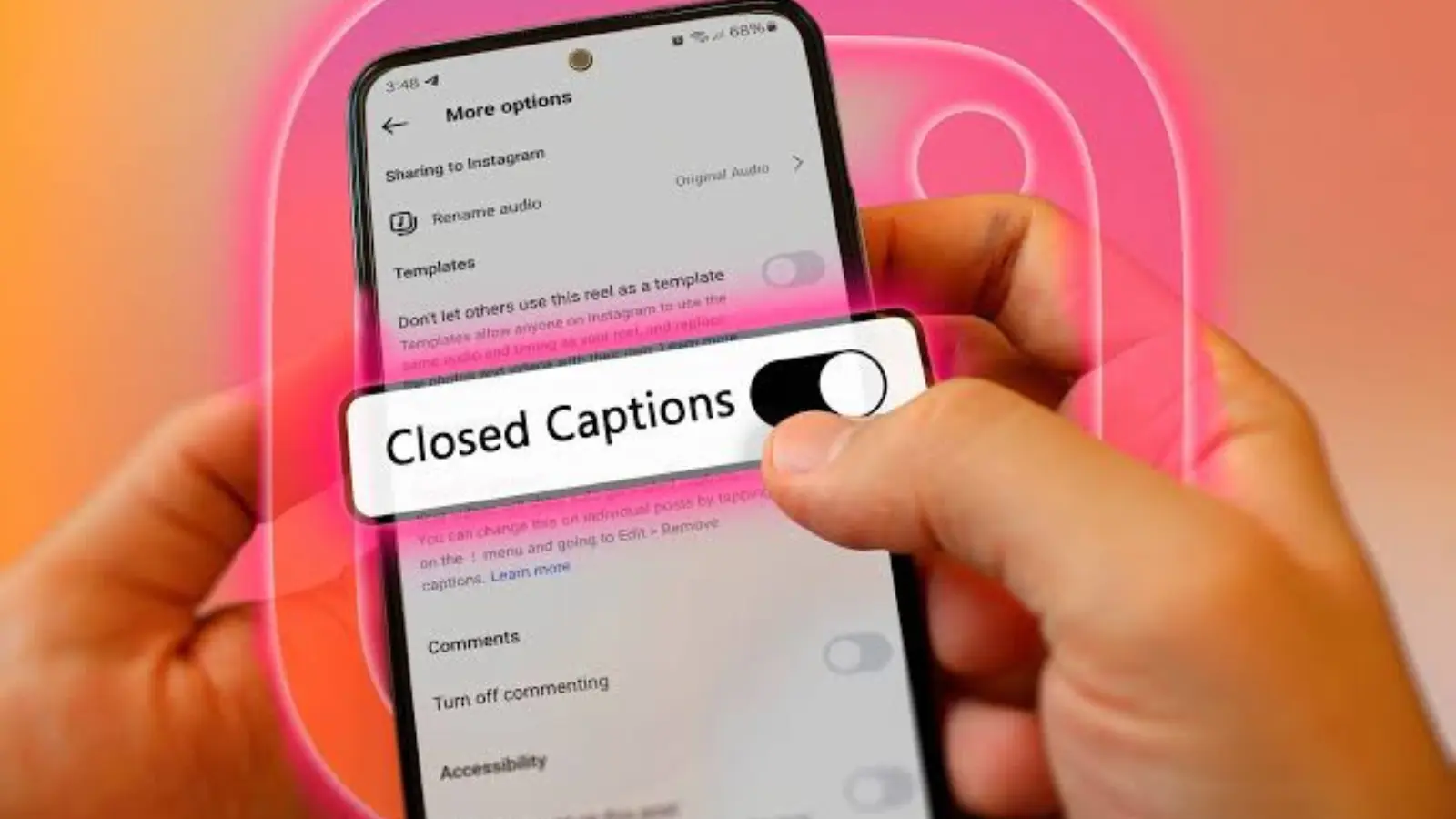
Closed caption turn off is the straightforward action of disabling the text overlay that appears on videos to show spoken words, sound effects, and dialogue.
This feature exists for accessibility, yet many people prefer a clean screen without the scrolling text for better focus, aesthetics, or personal preference during everyday watching.
Turning off closed captions gives you full control over your viewing experience.
Whether you are watching shows, scrolling Reels, or sharing content, removing the text can change how the media feels and how others engage with it.
The following guide covers practical ways to do it while connecting the process to real social media growth habits that improve reach and interaction.
Why Viewers Suddenly Prefer Screens Without Text Overlays 📺
Many people reach a point where the constant text feels distracting instead of helpful. Clean frames let emotions and visuals carry the story more strongly.
- Visual storytelling lands harder when nothing competes with the main action.
- Facial expressions and body language become the primary focus again.
- Fast-paced scenes stay fluid without words racing across the bottom.
- Creators who film vertical content notice higher completion rates once text disappears.
- Personal preference often shifts after long sessions of reading while watching.
- Accessibility needs vary by person and by mood on any given day.
- Group viewing situations sometimes call for a shared screen free of extra layers.
- High-energy music videos lose rhythm when captions interrupt the beat.
- Quiet moments gain more weight without explanatory text.
- Mobile viewers in bright light struggle less with contrast issues.
- Platform algorithms sometimes reward longer watch times that come from cleaner playback.
- Turning the feature off becomes a small daily habit that improves overall media enjoyment.
Simple Device Settings That Remove Captions in Seconds ⚙️
Most platforms hide the option in plain sight. Knowing the exact path saves time and frustration.
- On smart TVs the closed caption menu usually sits under accessibility or audio settings.
- Streaming apps often place a CC icon directly on the player controls.
- Phone system settings contain a global toggle that affects multiple apps at once.
- Tablet interfaces keep the same option under display or vision preferences.
- Computer media players expose the feature through keyboard shortcuts or right-click menus.
- Gaming consoles list captions under system accessibility rather than individual games.
- Browser extensions sometimes force captions on, so disabling them restores default behavior.
- Voice commands on certain devices can turn the feature off without touching the screen.
- Parental control panels occasionally lock the setting, requiring a quick unlock.
- Firmware updates occasionally reset the preference, so a second check becomes useful.
- Multi-device households benefit from setting the preference once per account.
- Quick access widgets on some phones let you flip the switch without digging through menus.
How Clean Frames Change Instagram Reels Performance 📈
Reels thrive on immediate visual impact. Removing unnecessary text can influence how people interact with the clip.
- Higher completion rates often follow when the screen stays uncluttered.
- Viewers swipe less quickly past content that feels intentional and polished.
- Engagement rate improves when comments focus on the actual message instead of caption style.
- Hashtags perform better when the visual itself carries the full story.
- Algorithm signals tied to watch time respond positively to uninterrupted viewing.
- Creators report more shares when the Reel looks native and professional.
- Visibility increases in feeds where clean vertical video stands out against text-heavy posts.
- Sound-on viewers appreciate the original audio without competing text.
- Brand partnerships prefer content that matches their visual guidelines.
- Story replies rise when the main subject remains the clear center of attention.
- Cross-posting to other platforms becomes simpler with a text-free master file.
- Consistent style across multiple Reels builds a recognizable creator identity.
Everyday Situations Where Turning Captions Off Feels Natural 🌟
Certain moments simply call for a pure visual experience rather than an accessibility layer.
- Watching a favorite series with full attention after a long day.
- Scrolling Reels during a short break when speed matters more than details.
- Sharing a funny clip in a group chat where the humor lives in the timing.
- Creating content that relies on music and movement instead of spoken words.
- Enjoying nature or travel footage where ambient sound tells the story.
- Following workout routines that need clear demonstration without text distraction.
- Viewing product demos where the item itself should dominate the frame.
- Catching up on sports highlights that move too quickly for reading.
- Relaxing with ambient videos designed for background atmosphere.
- Teaching younger viewers through pure demonstration rather than reading.
- Testing different versions of the same Reel to measure engagement differences.
- Maintaining focus during long creative sessions that demand visual clarity.
Quick Fixes When Captions Keep Turning Back On Automatically 🔄
Some systems re-enable the feature after updates or account switches. These steps stop the cycle.
- Check account-level accessibility preferences separate from device settings.
- Clear the cache of the specific app that keeps forcing text back on.
- Log out and back in to refresh the stored preference.
- Disable any third-party accessibility tools that override the native option.
- Update the app to the latest version where the toggle behaves more reliably.
- Review connected devices that might push the setting across an account.
- Turn off auto-generated captions at the content creation stage before posting.
- Use the native player instead of embedded web versions that ignore preferences.
- Reset accessibility settings to default and then reconfigure only what you need.
- Confirm that voice control or gesture shortcuts have not been assigned to the feature.
- Look for beta features that experiment with always-on text and opt out early.
- Keep a simple note of the exact menu path so future resets take seconds instead of minutes.
Building Stronger Visual Stories Without Relying on Text 🎬
Strong content does not need words on screen to communicate clearly. Visual language carries more weight when given space.
- Composition choices guide the eye without needing explanatory labels.
- Color contrast and lighting create hierarchy that text would otherwise provide.
- Timing of cuts and transitions replaces the need for written cues.
- Facial micro-expressions deliver emotion more effectively than any caption.
- Sound design fills information gaps that text usually covers.
- On-screen graphics can appear briefly only when truly necessary.
- Movement and gesture replace descriptive language in many tutorial styles.
- Consistent visual motifs train the audience to understand intent faster.
- Negative space around the subject keeps attention locked where it belongs.
- Subtle zoom and pan techniques highlight details without written prompts.
- Music selection sets the emotional tone more powerfully than written words.
- Practice filming with the intention that no text will ever appear.
Measuring the Real Impact on Engagement Rate and Reach 📊
Numbers reveal whether the change improves performance or simply feels better.
- Track average watch time before and after removing captions from similar content.
- Compare comment quality when viewers respond to pure visuals versus text.
- Note share frequency of clean versions versus captioned versions of the same idea.
- Observe save rates as a signal that people find the content worth revisiting.
- Watch how hashtag performance shifts when the visual stands alone.
- Measure profile visits that originate from Reels without text overlays.
- Record the difference in completion percentage across a small test batch.
- Evaluate follower growth during periods of consistent clean-frame posting.
- Check whether brand mentions increase when content looks more polished.
- Review the ratio of likes to views for a clearer engagement picture.
- Monitor story reply volume after posting text-free Reels.
- Adjust future content based on the clearest data patterns rather than assumptions.
Creative Workarounds That Keep Accessibility Without Permanent Text ♿
Accessibility remains important. Temporary or alternative methods serve both needs.
- Offer a separate caption file that viewers can download if they want it.
- Use platform features that let individuals toggle text on for themselves only.
- Provide a short written summary in the post description for those who need it.
- Create a second version of important educational content with full captions.
- Rely on clear audio quality so speech remains understandable without text.
- Add simple visual icons that communicate key points without full sentences.
- Time important spoken lines with natural pauses that aid understanding.
- Encourage community members to request captions in comments when needed.
- Use high-contrast clothing or backgrounds that improve lip-reading possibility.
- Keep spoken language simple and direct during filming.
- Share transcripts on a linked page for longer or complex material.
- Respect individual preference by making the clean version the default experience.
Habits That Keep Your Viewing Experience Consistently Clean 🧼
Small routines prevent the feature from creeping back into daily use.
- Perform a quick settings check whenever a new device joins the household.
- Set a monthly reminder to review accessibility toggles across main apps.
- Create a personal preference profile that travels with your account.
- Teach household members the same simple path so everyone stays consistent.
- Prefer native apps over browser versions that ignore saved settings.
- Avoid experimental accessibility features until they prove stable.
- Keep the closed caption option turned off at the system level rather than per app.
- Update software only after confirming that preferences will survive the process.
- Store a short screenshot of the correct setting for fast reference.
- Test new content in both captioned and clean modes before deciding.
- Celebrate the mental clarity that comes from fewer on-screen distractions.
- Share the clean-frame habit with friends who also value focused watching.
Connecting Clean Screens to Better Hashtag and Visibility Strategy 🔍
Visibility improves when the content itself feels intentional and native to the platform.
- Strong visuals attract saves and shares that push posts further into feeds.
- Relevant hashtags gain more power when paired with high-quality imagery.
- Clean Reels often earn more explores page placement than text-heavy ones.
- Consistent style signals professionalism to both audiences and algorithms.
- Engagement rate climbs when people finish the video and choose to interact.
- Cross-platform posting becomes easier with a text-free original file.
- Brand safety improves when no auto-generated text creates unintended messages.
- Seasonal campaigns look more cohesive without competing caption styles.
- Audience retention data guides future hashtag experiments more accurately.
- Visual-first content encourages original comments rather than caption quotes.
- Long-term growth compounds when every post feels carefully crafted.
- Visibility multiplies when clean frames become a recognizable signature.
Practical Steps for Content Creators Who Want Both Reach and Clarity 🚀
Creators balance accessibility with aesthetic goals through deliberate choices.
- Film primary versions without any text overlays as the default.
- Add captions only during the editing stage when the topic truly requires them.
- Test audience response with small batches before committing to a permanent style.
- Use platform analytics to decide which pieces benefit from text and which do not.
- Keep a library of both clean and captioned versions for different distribution needs.
- Train team members or collaborators on the preferred visual standard.
- Prioritize strong audio recording so reliance on text decreases naturally.
- Design thumbnails and covers that communicate value without needing words.
- Schedule content so that clean-frame posts appear at peak audience times.
- Review competitor approaches and note which styles earn the highest interaction.
- Maintain a simple checklist that includes the caption decision for every new piece.
- Celebrate the freedom that comes from trusting visuals to carry the full message.
Long-Term Benefits of Choosing Clean Viewing as the Default Mode 🌱
The choice compounds over months and years into a noticeably better media life.
- Reduced eye strain during extended watching sessions becomes noticeable.
- Greater appreciation for cinematography and editing craft develops naturally.
- Stronger memory of visual moments replaces memory of reading text.
- Higher quality time spent with favorite creators and shows.
- Improved ability to notice subtle details previously hidden behind words.
- More intentional content creation that prioritizes craft over convenience.
- Better modeling of focused attention for younger viewers in the household.
- Increased enjoyment of music-driven and ambient content categories.
- Clearer personal preference that travels across every new platform and device.
- Stronger connection to the original artistic intent of many productions.
- Measurable gains in social media metrics when the same standard applies to posted work.
- A calmer daily media diet that feels chosen rather than automatic.
Conclusion
Turning off closed captions restores visual priority and often improves how content performs across platforms.
The process itself takes only moments once you know where to look, yet the impact reaches far beyond a single video.
Cleaner screens support longer watch times, stronger engagement rates, more effective hashtag use, and greater overall visibility for the work you create or consume.
Start with one device or one Reel today. Notice how the absence of text changes the experience.
Adjust, measure, and refine. The result is media that feels more intentional, more enjoyable, and more effective at connecting with the people who matter.

Ava Simmons writes fun and relatable pick up lines inspired by internet culture and trending topics. She focuses on keeping things simple, fresh, and memorable.