
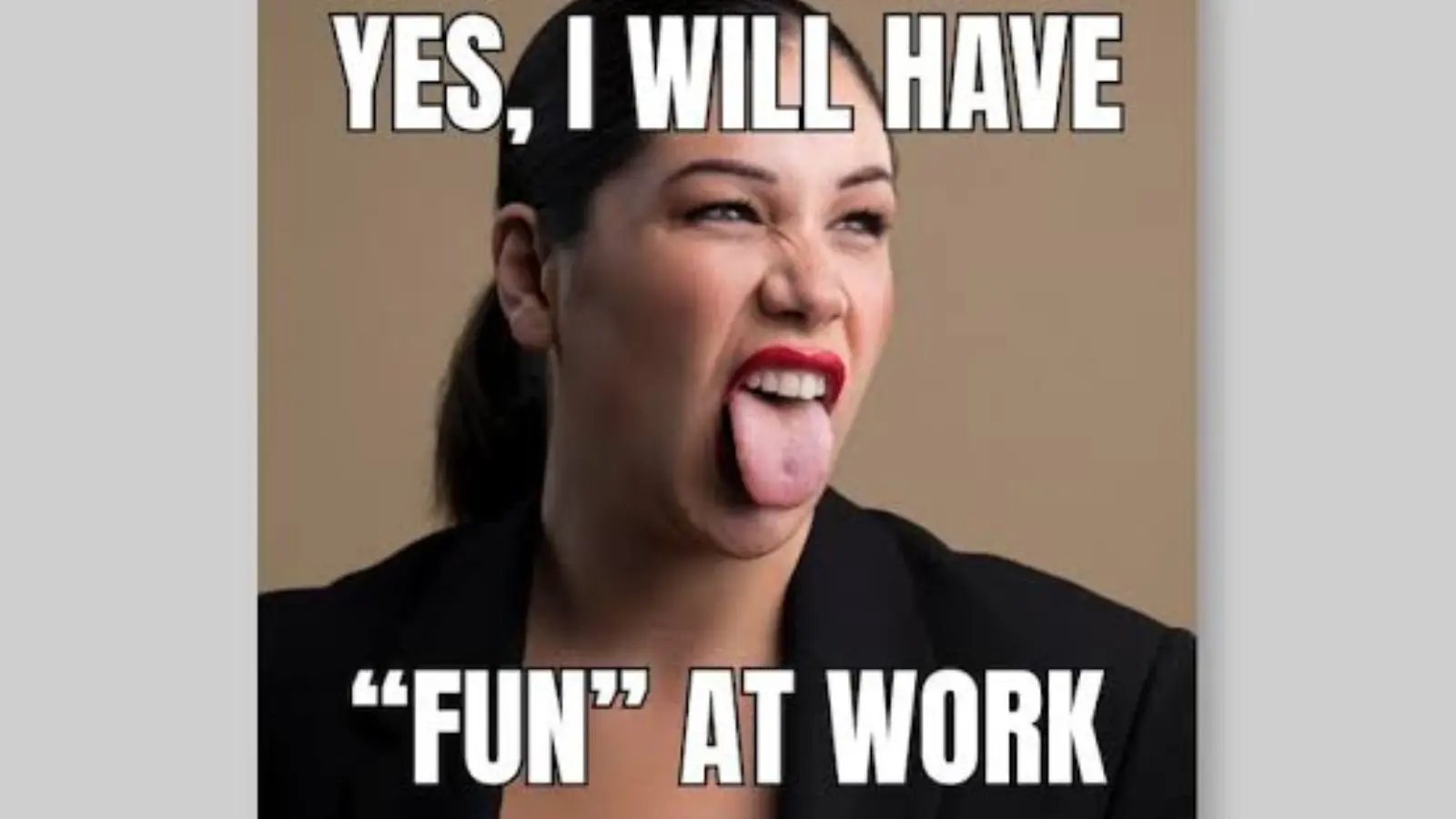
Funny meme pictures without captions are humorous images that communicate comedy, emotions, reactions, or relatable situations through facial expressions, body language, and visual storytelling without written text.
They allow viewers to interpret the joke themselves, making them flexible, creative, and easy to share across social media platforms.
Sometimes, a single facial expression can communicate more than an entire paragraph.
A confused cat, an unexpected reaction, or a dramatic movie scene can make people laugh without requiring a single word. That is the magic of caption-free memes.
People enjoy searching for funny meme pictures without captions because they offer endless opportunities for creativity.
You can add your own words, share an image with friends, use it as a reaction in a conversation, or turn it into an Instagram post.
Unlike traditional memes that already contain jokes, blank meme pictures give everyone an opportunity to become the creator.
They can be customized for different situations, audiences, and social media trends.
Whether you love hilarious animal reactions, awkward facial expressions, funny celebrity-style reactions, or relatable everyday moments, caption-free memes offer something for everyone.
Let’s explore how to find, create, customize, and share these entertaining images while making your meme content more engaging. 😄
1. Discovering the Humor Hidden Inside Caption-Free Meme Pictures
Мемы Кот глаза в разные стороны 28 фото
Картинки с удивленными смешными животными 32 фото
Awkward Seal Human Incarnation – Projared Funny Face – 800×697 PNG Download – PNGkit
11
A picture without words gives viewers the freedom to create their own interpretation. This is one reason blank memes remain popular among people who enjoy internet humor.
1. Facial expressions tell the story. A confused face, raised eyebrows, or exaggerated smile can communicate emotions immediately. These expressions make excellent starting points for reaction memes.
2. Unexpected situations create comedy. Images showing unusual situations often become funny because viewers recognize the difference between what should happen and what actually happens.
3. Animals provide endless entertainment. Cats, dogs, monkeys, and other animals frequently appear in humorous pictures because their expressions and movements can look surprisingly relatable.
4. Body language adds personality. A person standing awkwardly, hiding their face, or looking completely surprised can communicate an entire fictional situation without written dialogue.
5. Visual contrast makes images memorable. A serious expression in a ridiculous situation creates an entertaining contrast that viewers can easily turn into a joke.
6. Everyday situations feel relatable. Pictures representing Monday mornings, unexpected expenses, difficult homework, or embarrassing conversations can connect with a wide audience.
7. Silence can strengthen the joke. Sometimes the absence of text makes an expression even funnier because viewers naturally imagine what the person might be thinking.
8. Different viewers create different jokes. One person may interpret an image as embarrassment, while another sees confidence or disbelief. This flexibility makes caption-free memes especially entertaining.
9. Simple images are easier to customize. Pictures with uncluttered backgrounds provide more space for adding personalized text later.
10. Visual humor crosses language barriers. Expressions and physical comedy can be understood by people who speak different languages, making these images useful for international audiences.
11. Reaction images support conversations. A funny picture can replace a long message when someone wants to communicate surprise, excitement, frustration, or amusement.
12. Original interpretations keep memes fresh. The same image can produce dozens of different jokes depending on the situation and the creativity of the person sharing it.
2. Exploring Different Categories of Hilarious Blank Meme Images
Shocked cat Blank Template – Imgflip
Петросян следующий? Чем КВН напугал НАТО – Korrespondent.net
13
Not every funny meme picture communicates the same type of humor. Understanding different categories helps you select an image that matches your intended message.
1. Animal reaction memes: Cats with confused expressions and dogs looking surprised are popular choices for everyday conversations. Their natural expressions can create entertaining reactions.
2. Confused face memes: Images showing someone scratching their head or staring blankly are perfect for situations involving unexpected questions or complicated explanations.
3. Shocked expression memes: Wide eyes, open mouths, and dramatic reactions work well when communicating disbelief or surprise.
4. Awkward moment memes: These pictures capture uncomfortable situations, such as someone standing alone at a party or accidentally entering the wrong room.
5. Laughing reaction images: People laughing uncontrollably make excellent reaction pictures for funny stories and amusing conversations.
6. Exhausted expression memes: Images of tired people or sleepy animals can represent busy schedules, difficult workdays, and early mornings.
7. Dramatic reaction pictures: Exaggerated expressions create a humorous effect when the situation is not actually serious.
8. Friendship humor memes: Pictures featuring groups of friends can communicate relatable situations involving jokes, misunderstandings, and unexpected adventures.
9. School and student memes: Images of confused students, tired learners, or surprised classroom reactions are useful for educational humor.
10. Workplace reaction memes: Pictures representing office confusion, Monday stress, and unexpected assignments can connect with employees and professionals.
11. Food-related funny pictures: Surprised expressions around food, empty plates, or unusual meals can become entertaining content for food lovers.
12. Random internet humor: Sometimes an image is funny simply because it is strange, unexpected, or difficult to explain. These pictures can become memorable memes through creative interpretation.
3. Why People Love Funny Pictures That Have No Written Captions
The popularity of caption-free memes comes from their flexibility. They allow people to add personal meaning to an image instead of relying on a joke that someone else has already written.
1. Complete creative freedom: Users can write their own jokes, choose different meanings, and customize the same picture for multiple situations.
2. Easy personalization: A blank meme template can be adapted to match a friendship group, workplace situation, family joke, or personal experience.
3. Quick communication: A suitable reaction image can communicate an emotion faster than typing a complete sentence.
4. More opportunities for originality: When an image does not contain existing text, users can experiment with different jokes instead of repeating someone else’s wording.
5. Universal entertainment: Visual humor can appeal to people from different countries and language backgrounds.
6. Better reaction potential: A recognizable expression may encourage people to respond because they immediately understand the emotion being communicated.
7. Flexible sharing options: The same image can be shared in a private message, included in a meme collection, or adapted into a social media post.
8. Suitable for different age groups: Clean, non-offensive visual humor can entertain a broad audience without depending on adult language or inappropriate jokes.
9. Simple content creation: You do not need advanced graphic design skills to turn a blank picture into an entertaining meme.
10. Conversation starters: Sending an unexpected reaction image can make an ordinary conversation more entertaining.
11. Repeat entertainment value: A good blank image can be reused in different contexts, provided the new interpretation remains relevant and appropriate.
12. Community participation: People enjoy creating their own versions of popular meme templates and comparing their interpretations with others.
4. Finding the Best Funny Meme Pictures Without Captions Online
That Stupid Honda Meerkat… | Reaction Images | Know Your Meme
What Was Your Worst Hair Day? | Cup of Jo
16
Finding suitable meme pictures is easier when you know where to search and what type of image you need.
1. Use descriptive search phrases. Try searches such as funny reaction pictures without text, blank meme templates, hilarious animal expressions, and caption-free comedy images.
2. Explore image search platforms. Image search can help you discover different expressions, visual styles, and meme templates.
3. Visit meme communities. Online meme communities often feature unusual reaction images and creative visual formats.
4. Browse GIF collections. Some animated reaction libraries also offer still images that can be downloaded or recreated as static memes.
5. Look for high-resolution pictures. Clear images generally look better when shared on social media or edited with additional text.
6. Choose images with simple backgrounds. An uncluttered picture gives you more flexibility when placing your own caption.
7. Check image permissions. An image being publicly available does not automatically mean it is free to reuse. Review licensing and usage conditions before publishing or monetizing it.
8. Avoid misleading downloads. Use trustworthy websites and be cautious of suspicious download buttons, unexpected file types, or pages requesting unnecessary personal information.
9. Search by emotion. Keywords such as confused reaction, surprised face, awkward expression, and laughing animal can produce more targeted results.
10. Explore original photography. Your own photographs can become distinctive meme templates and reduce dependence on commonly reused pictures.
11. Organize your favorites. Save suitable images in clearly named folders so you can find the right reaction quickly.
12. Check image quality before sharing. Make sure the image is not blurry, distorted, unnecessarily cropped, or covered with unwanted watermarks.
5. Turning Blank Meme Pictures Into Your Own Original Creations
Mr Bean Blank Template – Imgflip
Busy cat Blank Template – Imgflip
Drake Alternative Shibe Blank Template – Imgflip
13
One of the biggest advantages of caption-free images is that you can customize them to match your own sense of humor.
1. Start with a recognizable image. Select a picture with an expression or situation that viewers can understand immediately.
2. Identify the main joke. Before editing, decide what makes the image funny. A clear idea will help you avoid adding unnecessary words.
3. Write a short caption. A brief sentence is often enough to turn an ordinary reaction picture into a memorable meme.
4. Choose readable typography. Bold, simple fonts are useful because they remain visible on mobile screens.
5. Use contrasting text colors. Make sure your caption is easy to distinguish from the background.
6. Position the text carefully. Avoid covering important facial expressions or other details that make the image funny.
7. Keep the original expression visible. The visual reaction is often the most entertaining part of a meme, so preserve its essential details.
8. Experiment with different jokes. Try several interpretations before selecting the version that best matches the image.
9. Add emojis where appropriate. A laughing face, shocked expression, or crying emoji can add personality without making the meme crowded.
10. Maintain image quality. Export the final version at an appropriate resolution so it does not appear blurry when shared.
11. Create multiple variations. One blank image can inspire several different memes for different audiences and occasions.
12. Save the original template. Keep an untouched copy so you can create additional versions without repeating the editing process.
6. Using Caption-Free Meme Pictures to Make Instagram Content More Interesting
Instagram provides several ways to share visual humor, including feed posts, Stories, and Reels. A good meme image can support all three formats when adapted appropriately.
1. Create a dedicated meme feed. Organize your profile around a recognizable style, such as animal humor, everyday reactions, or student-related comedy.
2. Use attractive post designs. Make sure the image is clear, properly positioned, and visually consistent with your overall profile.
3. Experiment with carousel posts. Combine several related reaction pictures into one carousel so followers can explore different expressions.
4. Add context in the Instagram caption. Although the image itself has no words, the accompanying post description can explain the situation or invite a response.
5. Share quick reactions in Stories. A funny picture can communicate your mood or provide a lighthearted response to a daily situation.
6. Turn static images into Reels. Add simple movement, transitions, or a sequence of related images to create a short-form video.
7. Choose relevant hashtags. Use descriptive terms that match the post, such as #FunnyMemes, #ReactionMemes, or #MemeTemplates, when appropriate.
8. Create recognizable series. A regular feature such as a weekly reaction meme can give followers a reason to return.
9. Write accessible descriptions. Add meaningful alternative text where available so people using screen readers can understand the essential visual message.
10. Encourage creative participation. Invite followers to suggest their own interpretations or submit suitable ideas for future meme posts.
11. Review platform guidelines. Make sure your images, accompanying descriptions, and audio comply with Instagram’s current policies.
12. Monitor performance. Review reach, shares, saves, profile visits, and engagement rate to understand which formats connect with your audience.
7. Choosing Hashtags That Help Funny Meme Images Reach the Right Audience
Hashtags can categorize social media posts and provide additional context about their subject. The most useful hashtags accurately describe the content rather than simply following popular trends.
1. Start with general meme categories. Tags such as #FunnyMemes and #InternetHumor may be suitable for general comedy content.
2. Use reaction-specific tags. If the image communicates surprise or confusion, choose descriptive terms that reflect that particular reaction.
3. Consider animal-related tags. Pictures featuring pets may fit categories such as #FunnyCats, #DogMemes, or #AnimalHumor.
4. Avoid unrelated trending tags. A popular hashtag does not automatically make an unrelated image more discoverable.
5. Combine broad and specific terms. A balanced selection can communicate both the general category and the particular subject.
6. Check hashtag usage. Explore how other creators use a proposed hashtag before including it in your own post.
7. Keep hashtags readable. Avoid creating a large, repetitive block that distracts from the actual content.
8. Use audience-relevant vocabulary. Think about the terms people interested in reaction pictures or meme templates might naturally search.
9. Avoid misleading tags. A hashtag should describe what the image actually contains.
10. Review performance periodically. Compare the results of different relevant hashtag groups instead of assuming a particular set will always work.
11. Update your selections. Trends and audience interests change, so review your hashtag strategy as your account develops.
12. Focus on content quality. Hashtags cannot compensate for blurry images, confusing jokes, or content that does not interest the intended audience.
8. Creative Ways to Share Funny Reaction Pictures With Friends
Close up of a man with puzzled look on his face
8
Meme pictures are not limited to public social media accounts. They can also make everyday conversations more entertaining.
1. Use them in group chats. A confused reaction picture can be the perfect response when friends share an unexpected story.
2. Celebrate funny moments. Send an entertaining image when someone shares a joke or describes an amusing experience.
3. Create friendship collections. Organize reaction pictures that match the humor and personality of your friend group.
4. Respond without long messages. A well-selected image can communicate surprise, laughter, or disbelief in a single moment.
5. Make birthday conversations fun. Share clean, personalized reaction memes that celebrate a friend’s personality or a memorable shared experience.
6. Use them for everyday situations. Pictures of tired animals or shocked expressions can add humor to conversations about busy schedules and unexpected problems.
7. Create custom group memes. With everyone’s permission, turn harmless shared experiences into original pictures that reflect your group’s sense of humor.
8. Share appropriate workplace humor. Clean reaction images can make professional conversations more relaxed when the setting and company culture allow them.
9. Use them in gaming chats. Funny reaction pictures can communicate excitement, frustration, or surprise after an unexpected gaming moment.
10. Make study conversations entertaining. Student-related reaction memes can add humor to conversations about examinations, homework, and difficult lessons.
11. Respect the recipient’s preferences. Not everyone enjoys the same type of humor. Choose pictures that are appropriate for the person receiving them.
12. Avoid unwanted personal references. Do not turn someone’s embarrassing photograph or private experience into a meme without permission.
9. Understanding Why Some Meme Images Become Viral
Not every funny picture becomes popular, but certain visual qualities can make a meme easier to recognize, remember, and share.
1. Immediate recognition: Images showing familiar emotions are easy to understand without lengthy explanations.
2. Relatable situations: Memes about school, work, friendships, and daily routines can connect with people who have experienced similar situations.
3. Distinctive expressions: An unusual facial expression can make an image memorable even when viewers have never seen it before.
4. Simple visual storytelling: A picture that communicates one clear idea is generally easier to interpret than an overcrowded image.
5. Unexpected humor: A surprising visual detail can make people pause and look again.
6. Easy customization: Blank meme templates encourage users to add their own ideas and create variations.
7. Shareable dimensions: Properly formatted images are easier to view on mobile devices and different social platforms.
8. Cultural relevance: Memes connected to familiar events or shared experiences may resonate with a particular community.
9. Original presentation: A fresh interpretation can make a familiar image feel new.
10. Audience participation: People may become more interested when they can suggest their own captions or interpretations.
11. Appropriate timing: A meme related to a current conversation or event may be more relevant to viewers at that moment.
12. Consistent quality: Creators who regularly publish clear, entertaining, and relevant material can develop a recognizable content identity.
Remember that virality is unpredictable. A strong meme can perform well, but no particular image, hashtag, or posting schedule guarantees widespread attention.
10. Avoiding Common Mistakes When Downloading and Sharing Blank Memes
A funny image should be entertaining without creating unnecessary problems for the person sharing it or the people appearing in it.
1. Avoid low-resolution downloads. Blurry pictures can lose important facial details and look unprofessional on social media.
2. Check for unwanted text. Some supposedly blank templates may contain small watermarks, hidden captions, or website branding.
3. Respect copyright. Check the licensing conditions before using images in commercial posts, advertisements, or monetized accounts.
4. Avoid misleading edits. Do not manipulate an image in a way that falsely suggests someone said or did something.
5. Protect personal privacy. Avoid sharing identifiable private photographs without appropriate permission.
6. Stay away from harmful jokes. Do not create memes that target people based on personal characteristics or encourage harassment.
7. Check the background. Make sure the picture does not unintentionally reveal personal information, addresses, or private documents.
8. Use suitable file formats. JPEG and PNG are common options for static images, while GIF and video formats may be appropriate for animated content.
9. Avoid excessive compression. Repeatedly saving and editing an image can reduce its quality.
10. Review platform requirements. Different social media services may have different content restrictions and technical specifications.
11. Keep original files. Save a copy of the unedited image so you can correct mistakes or create new versions.
12. Review the final image. Check the crop, resolution, visual clarity, and overall meaning before publishing.
11. Using Funny Meme Pictures Without Captions for Different Creative Projects
Caption-free images can be used for more than ordinary social media posts. They can also become part of personal projects, digital collections, and creative activities.
1. Personal meme libraries: Build a collection of funny expressions organized by mood, situation, and subject.
2. Digital scrapbooks: Add humorous pictures to personal collections documenting memorable experiences and entertaining moments.
3. Presentation slides: Use appropriate reaction pictures to make informal presentations more engaging.
4. Creative writing exercises: Give an image to a group of writers and ask everyone to invent a different story about what is happening.
5. Classroom activities: Teachers can use clean, suitable images to encourage students to practice descriptive writing and storytelling.
6. Online community posts: Share original reaction pictures in communities where visual humor is welcome and permitted.
7. Custom greeting designs: Add a personalized message to a blank image to create a funny digital greeting.
8. Video editing projects: Combine several reaction pictures into a short slideshow or animated sequence.
9. Design practice: Experiment with typography, layout, contrast, and image positioning using blank meme templates.
10. Content calendars: Organize a collection of suitable images for future posts so you can maintain a consistent publishing schedule.
11. Audience challenges: Invite followers to interpret an image or submit original, appropriate captions.
12. Creative portfolios: Designers and content creators can showcase original meme concepts as examples of visual communication and humor.
12. Building a Successful Meme Page With Original and Entertaining Images
gatos haciendo caras – Meme subido por crodasb92 🙂 Memedroid
Смешные картинки Удивление человека
11
Creating a meme page is about more than uploading random pictures. A recognizable theme, consistent quality, and a clear understanding of your audience can help develop a lasting community.
1. Choose a recognizable niche. Decide whether your page will focus on animal humor, everyday situations, school jokes, reaction pictures, or general internet comedy.
2. Develop a visual identity. Use consistent design choices, image quality, and presentation so followers can recognize your posts.
3. Publish original variations. Rather than repeatedly uploading the same popular templates, experiment with fresh interpretations and original photographs.
4. Maintain a realistic schedule. Choose a publishing routine that you can sustain without reducing content quality.
5. Create themed collections. Organize posts around topics such as Monday reactions, funny animal expressions, or unexpected daily moments.
6. Write engaging post descriptions. Even when the meme itself contains no text, the accompanying Instagram caption can provide context and invite discussion.
7. Experiment with Reels. Transform suitable images into short videos using simple transitions and accessible on-screen text.
8. Use relevant hashtags. Select descriptive hashtags that match your content and intended audience.
9. Build a positive community. Encourage creativity, respect different opinions, and moderate harmful or inappropriate comments.
10. Track engagement rate. Review reach, comments, saves, shares, and profile visits to understand how your content performs.
11. Learn from audience preferences. Notice whether followers respond more to animal reactions, everyday humor, or creative blank templates.
12. Prioritize long-term trust. Build your page around original entertainment, respectful humor, and consistent value rather than chasing every passing trend.
Conclusion: Make Every Picture a New Opportunity for Laughter 😂
Funny meme pictures without captions are a creative and entertaining way to communicate emotions, share reactions, and bring humor into everyday conversations.
Their greatest advantage is flexibility: one simple picture can inspire countless jokes, interpretations, and personalized messages.
From hilarious animal expressions and confused reaction faces to awkward everyday moments, blank meme images give creators the freedom to develop their own style.
They are useful for Instagram posts, Reels, Stories, group chats, digital collections, and creative projects.
To make the most of these images, choose clear and relatable pictures, experiment with original ideas, and customize each image thoughtfully.
Use relevant hashtags, write engaging Instagram captions, and monitor meaningful engagement metrics to understand what your audience enjoys.
Remember to respect image permissions, protect personal privacy, and keep your humor appropriate for the people who will see it.
Now it’s your turn! Find a funny picture without text, imagine the funniest situation that could explain it, and create your own version.
Sometimes the best meme is the one that makes everyone laugh before they even read a single word! 😄

Liam Foster shares witty pick up lines, text ideas, and lighthearted jokes. He loves finding new ways to make introductions feel less awkward and more entertaining.