
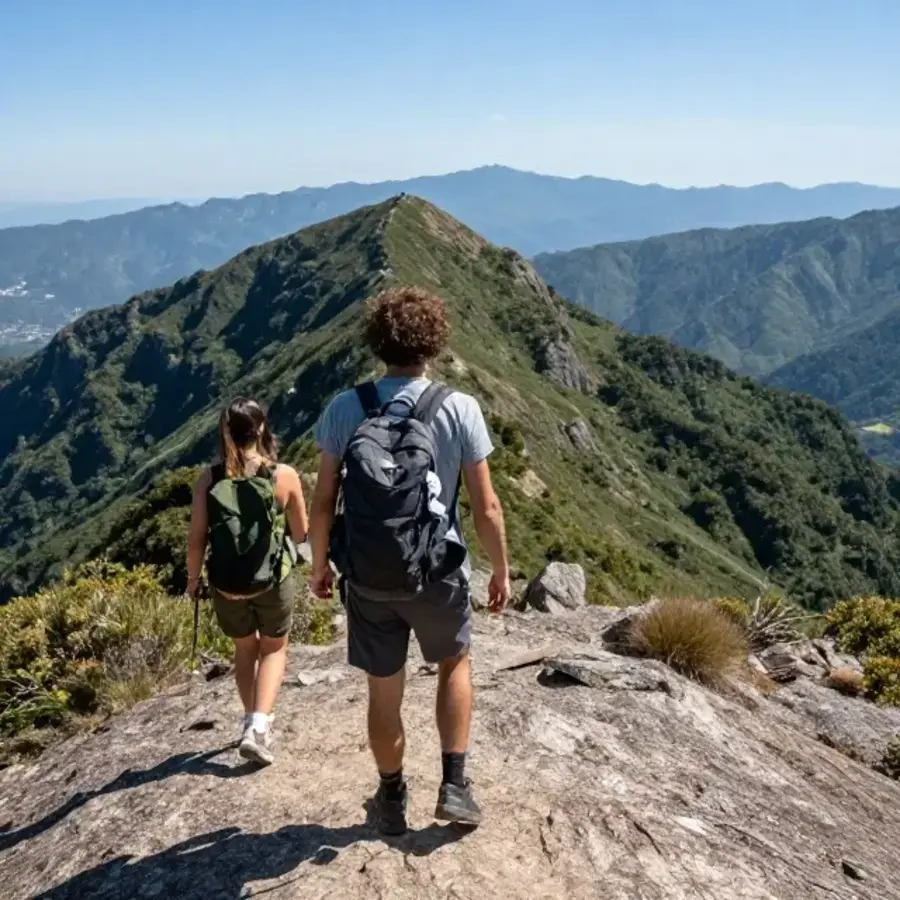
Hiking captions are short, vivid phrases paired with trail photos or videos that capture the emotion of outdoor adventures, encourage likes and comments, and help posts rank higher in Instagram feeds through natural keyword flow and authentic storytelling.
These lines turn a simple summit shot into a scroll-stopping moment that feels personal and shareable.
Whether you post from a misty ridgeline or a quiet forest path, the right words make people stop, feel the elevation, and hit follow.
This guide delivers fresh, ready-to-use approaches that lift engagement rate and visibility without sounding forced.
Why Trail Words Rewrite How Followers Feel Your Adventure
- Strong opening lines pull readers into the scene faster than any filter.
- Specific sensory details—crunch of gravel, cool air on skin—create instant mental pictures.
- Emotion-first phrasing turns a static photo into a lived experience.
- Short rhythm matches the quick scroll habits of Instagram users.
- Authentic voice builds trust that polished marketing lines never reach.
- Call-to-action endings invite comments that algorithm signals love.
- Seasonal references keep content timely and searchable.
- Group mentions expand reach through tagged friends.
- Solo reflections attract quieter, more thoughtful engagement.
- Humor softens hard climbs and keeps the tone light.
- Gratitude notes make the post feel grounded and human.
- Open questions spark replies that boost visibility in the feed.
Matching Path Energy to Caption Pace and Length
- Steep climbs pair best with short, punchy sentences that mirror heavy breathing.
- Flat meadow walks allow longer, flowing lines that feel relaxed.
- Sunrise starts call for hopeful, forward-looking language.
- Sunset returns suit reflective, softer closing thoughts.
- Rainy days work with resilient, “still out here” energy.
- Clear blue-sky days invite bright, expansive word choices.
- Early morning posts gain from quiet, almost whispered tone.
- Midday heat favors direct, no-frills descriptions.
- Night hikes need mystery and limited-light imagery.
- Multi-day treks support progressive storytelling across several posts.
- Day hikes thrive on single-moment snapshots.
- Training runs pair with goal-focused, motivational phrases.
Turning Summit Shots into Story Snippets That Stick
- Begin with the view, then zoom into the feeling behind it.
- Name one specific landmark so the post becomes searchable.
- Mention the effort it took without turning into a complaint.
- Add a single sensory detail that only someone on the trail would know.
- End with an invitation for others to share their own summit stories.
- Keep the language conversational, as if speaking to a trail buddy.
- Avoid overused “breathtaking” or “epic” unless the moment truly earns it.
- Layer one hashtag cluster that matches the actual location.
- Tag the person who made the climb possible when it feels natural.
- Use line breaks for easy reading on mobile screens.
- Let the photo carry the visual weight while the caption adds heart.
- Close with a quiet observation that lingers after the like.
Building Reels Moments with Captions That Hold Attention
- Open the caption with the same energy the first three seconds of video deliver.
- Keep total length under three lines so viewers finish reading.
- Mirror the music tempo with sentence rhythm.
- Highlight one unexpected detail the video shows in the background.
- Invite viewers to watch till the end by teasing a small payoff.
- Use emojis sparingly to mark emotional shifts.
- Reference the trail name once for searchability.
- Ask a simple question that fits the reel’s mood.
- Credit any trail tip or map source if mentioned.
- Keep hashtags in the first comment to protect caption flow.
- Match the caption tone to the reel’s lighting and movement.
- End with a soft call that encourages saves and shares.
Layering Hashtags That Actually Support Visibility
- Start with one precise location tag that matches the photo.
- Add two activity tags that describe the type of hike.
- Include one seasonal or weather-related tag.
- Mix in one broader outdoor lifestyle tag for discovery.
- Rotate secondary tags weekly to avoid looking repetitive.
- Place the main keyword naturally inside the caption text itself.
- Keep the total hashtag count moderate so the post feels clean.
- Research which tags local hiking clubs currently use.
- Avoid pure spam tags that have no connection to the image.
- Test different combinations and note which ones drive comments.
- Use niche trail tags for higher relevance over pure volume.
- Refresh the set after every major trip so the profile stays current.
Seasonal Trail Language That Feels Fresh All Year
- Spring captions lean into new growth, mud, and first wildflowers.
- Summer lines celebrate long daylight and high-elevation breezes.
- Autumn posts highlight color shifts and cooler morning air.
- Winter words focus on quiet snow, careful footing, and clear views.
- Shoulder-season notes mention fewer crowds and softer light.
- Rainy-season captions own the wet gear and still-worth-it feeling.
- Heat-wave posts talk about early starts and water stops.
- Frosty mornings get crisp, short sentences.
- Peak foliage days allow richer color descriptions.
- Mud season invites humor about dirty boots.
- Wildfire-smoke days stay honest about limited visibility.
- Perfect-weather days simply enjoy the rare balance without overstatement.
Group Adventure Phrases That Invite Shared Memories
- Celebrate the friend who carried the extra snacks.
- Mention the shared joke that kept everyone moving.
- Tag the person who chose the route.
- Note the moment the whole group went quiet at the view.
- Thank the one who remembered the map when phones died.
- Highlight the slowest member who still made the summit.
- Call out the photographer who captured the group shot.
- Reference the post-hike meal that felt earned.
- Invite tagged friends to add their own favorite moment.
- Keep the tone inclusive so no one feels left out.
- Use “we” language more than “I” when it fits.
- End with an open invitation for the next trail together.
Solo Path Reflections That Draw Deeper Comments
- Speak honestly about the quiet that only alone time brings.
- Name one thought that surfaced during the climb.
- Admit a small fear that the trail helped quiet.
- Celebrate the decision to go without waiting for company.
- Note the freedom of setting your own pace.
- Share one lesson the mountain offered that day.
- Keep the language intimate but still inviting.
- Avoid sounding lonely; focus on chosen solitude.
- Mention a personal ritual that starts every solo hike.
- Invite readers to share their own solo trail habits.
- Use fewer hashtags so the reflection stays center stage.
- Close with a gentle question that feels like a conversation starter.
Weaving Gear Notes Naturally into the Caption Flow
- Mention boots only when the terrain made them essential.
- Reference a pack when the load felt surprisingly light.
- Note a rain shell only after the weather turned.
- Talk about poles when the descent demanded them.
- Credit a filter bottle after a long dry stretch.
- Keep brand names secondary to the experience.
- Tie the gear to a specific moment on the trail.
- Avoid turning the caption into a product list.
- Share one real limitation the gear helped overcome.
- Invite others to mention their own trail essentials.
- Use the gear note as a bridge to a larger feeling.
- Keep the focus on the human, not the equipment.
Closing Lines That Encourage Trail Buddy Tagging
- Ask who else needs this view right now.
- Invite friends to drop their favorite trail in the comments.
- Suggest tagging the person who would love this route.
- Offer to share the map if anyone asks.
- Challenge readers to post their own recent climb.
- Thank the trail community for the inspiration.
- Leave space for others to add their stories.
- Keep the ask light and low-pressure.
- Match the closing energy to the photo’s mood.
- Use one emoji that feels like a friendly wave.
- Avoid hard-sell language that kills the vibe.
- End on a note that feels like an open door, not a demand.
Reading Engagement Signals to Refine Future Captions
- Watch which posts earn the most thoughtful comments.
- Note the difference between quick likes and longer saves.
- Track which questions pull the highest reply rates.
- Observe how location tags affect discovery.
- Compare short punchy lines against longer reflective ones.
- See whether group tags expand reach beyond usual followers.
- Pay attention to the time of day that generates conversation.
- Notice if seasonal language lifts visibility in certain months.
- Check whether reel captions outperform still-photo ones.
- Look for patterns in the emojis people use in replies.
- Adjust length based on what keeps people reading.
- Treat every post as a quiet experiment that improves the next one.
Everyday Habits That Keep Caption Ideas Coming
- Jot one sensory note while still on the trail.
- Record a voice memo of the strongest feeling of the day.
- Review old photos and rewrite the original caption.
- Collect phrases from trail signs and map notes.
- Read other hikers’ comments for fresh language.
- Practice writing three versions of the same moment.
- Keep a running list of trail-specific verbs.
- Test one new structure each week.
- Share drafts with a hiking friend for honest feedback.
- Notice which lines you yourself would stop to read.
- Limit editing so the voice stays natural.
- Celebrate small improvements in engagement rate over time.
Conclusion
The best hiking captions do more than describe a view—they hand the feeling to someone scrolling on a Tuesday afternoon and make them want the same dirt under their shoes. Use the approaches above as living tools rather than rigid rules.
Write the line that feels true on that particular trail, post it with intention, and watch how genuine words quietly raise both engagement rate and visibility.
Now lace up, step outside, and let the next caption write itself under open sky.
Tag a trail friend, share your favorite line from today, and keep the conversation moving one step at a time.

Emma Collins writes creative pick up lines for readers looking to add humor and confidence to their chats. Her content focuses on clever openers and fun conversation ideas.